
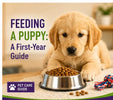
Feeding a Puppy: A First-Year Guide
, by PetBowlz, 3 min reading time
, by PetBowlz, 3 min reading time
Feeding a puppy well in the first year sets up a lifetime of health. Here's our family's practical guide — what to look for in puppy food, how often to feed, large-breed needs, and when to switch to adult.
Bringing home a puppy is one of the best days there is — and it comes with a lot of questions, starting with what's in the food bowl. The first year shapes a lifetime of health, and feeding well is one of the most important things you'll do. After more than 35 years helping families raise happy, healthy dogs, here's our honest, practical guide to feeding a puppy through that first year.
Puppies aren't just small dogs — they're growing rapidly, building bone, muscle, and brain, and that takes different nutrition than an adult dog needs. Food formulated for puppies (or labeled for “all life stages”) provides the higher protein, fat, and specific nutrient balance that growth requires. Feeding a puppy a food built for their stage is one of the simplest, most important choices you can make.
Check the label for an AAFCO statement confirming the food is complete and balanced for “growth” or “all life stages.” This is the single most important thing to verify — it means the food is designed to meet a growing puppy's needs.
Growing bodies are built on protein. Look for a recipe led by a clearly named animal protein.
DHA, an omega-3 fatty acid often found in fish oil, supports healthy brain and eye development in puppies. Many quality puppy foods include it — a nice feature to look for.
This one matters more than many new owners realize: large- and giant-breed puppies have different needs than small breeds. Large-breed puppy formulas are carefully balanced in calcium and energy to support steady, controlled growth, which is important for big dogs as they develop. If you have a breed that's going to get large, look specifically for a large-breed puppy formula.
Young puppies have small stomachs and big energy needs, so meals are usually split across the day. A general rhythm many owners follow:
These are general guidelines, not rules — follow the feeding chart on your puppy's food and, most importantly, your veterinarian's guidance for your specific puppy. Your vet can advise on the right amounts and timing as your puppy grows.
Puppies are ready for adult food at different times depending on their size — smaller breeds generally mature faster, while large and giant breeds take longer to finish growing. Your veterinarian is the best guide for when your individual puppy should make the change. And when that time comes, switch gradually over about 7 to 10 days (roughly 25% new food to start, building to 50%, 75%, then fully switched by around day ten) to keep it easy on their stomach.
We've gathered a curated selection of premium puppy foods — including large-breed options — from brands we know and trust to support healthy growth. Browse our picks here:
And once your puppy settles into a food they love, our AutoShip option keeps it arriving on schedule — one less thing to remember during a busy first year.
Raising a puppy comes with plenty of questions, and you don't have to answer them alone. We're a family of real pet experts who've helped owners through the puppy stage for decades — so whether you're choosing that very first bag or wondering when to switch, reach out anytime. We'd love to help.